
“Buying a home is an emotional milestone, and feeling safe in that space matters more than anything. An electrical services checklist helps home buyers look beyond appearances and understand what truly protects their family. By ensuring the wiring, panels, outlets, and lighting are safe and reliable, buyers can move forward with confidence and peace of mind.”
Buying a home is not something most people do often. It’s an emotional decision filled with excitement, dreams, and hope for a safe future. While fresh paint and beautiful interiors may steal your heart, the electrical system is what silently protects your family every single day. Ignoring it can turn your dream home into a stressful and costly experience. That’s why understanding a detailed electrical inspection checklist before buying a home is not optional; it’s essential.
A professional electrical inspection gives buyers confidence and clarity. It uncovers hidden risks, helps prevent future fire hazards, and provides leverage during price negotiations. Below is an essential checklist every home buyer should know before signing on the dotted line.
Why Electrical Inspections Matter When Buying a Home
Electrical problems are often invisible until something goes wrong. Faulty wiring, overloaded circuits, or outdated systems can lead to power failures, expensive repairs, or even fires. A licensed electrician looks beyond what the eye can see and ensures the home’s electrical system is safe, efficient, and compliant with current standards. This is especially important for older homes or properties that have undergone renovations or a home addition.
1. Electrical Service Entrance
The electrical service entrance is where power enters the home, making it one of the most critical inspection points. An electrician checks for proper voltage, secure connections, and signs of wear or corrosion. If the service cannot support modern electrical demands, it may need an upgrade, a costly issue buyers deserve to know about beforehand.
2. Outdoor Electrical Wiring and Fixtures
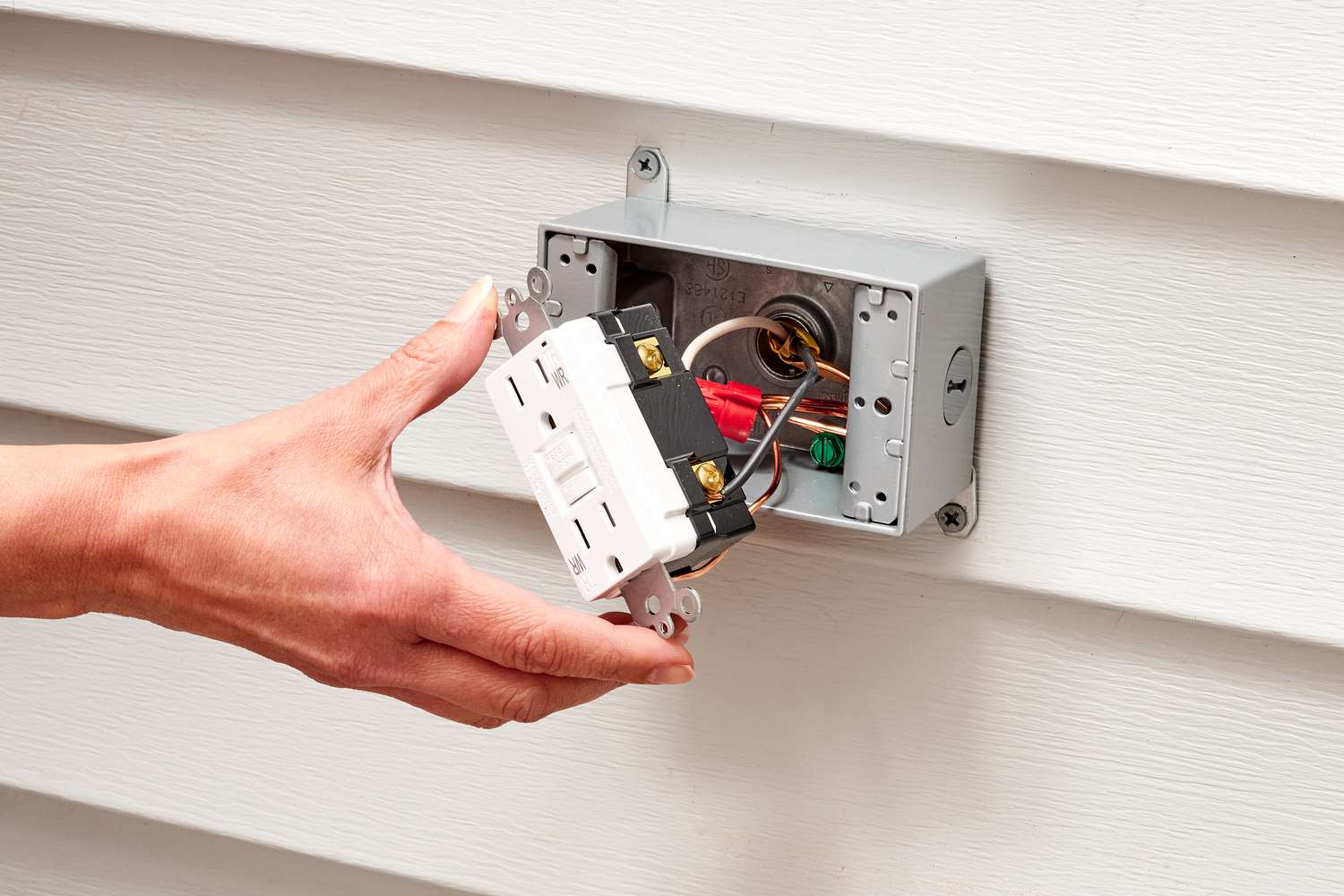
Exterior wiring is constantly exposed to weather, moisture, and pests. During inspection, all outdoor outlets, lighting fixtures, garages, and outbuildings are examined for damage, exposed wiring, and improper covers. Outdoor outlets must be weather-rated and protected to ensure safety and long-term reliability.
3. Main Electrical Service Panel
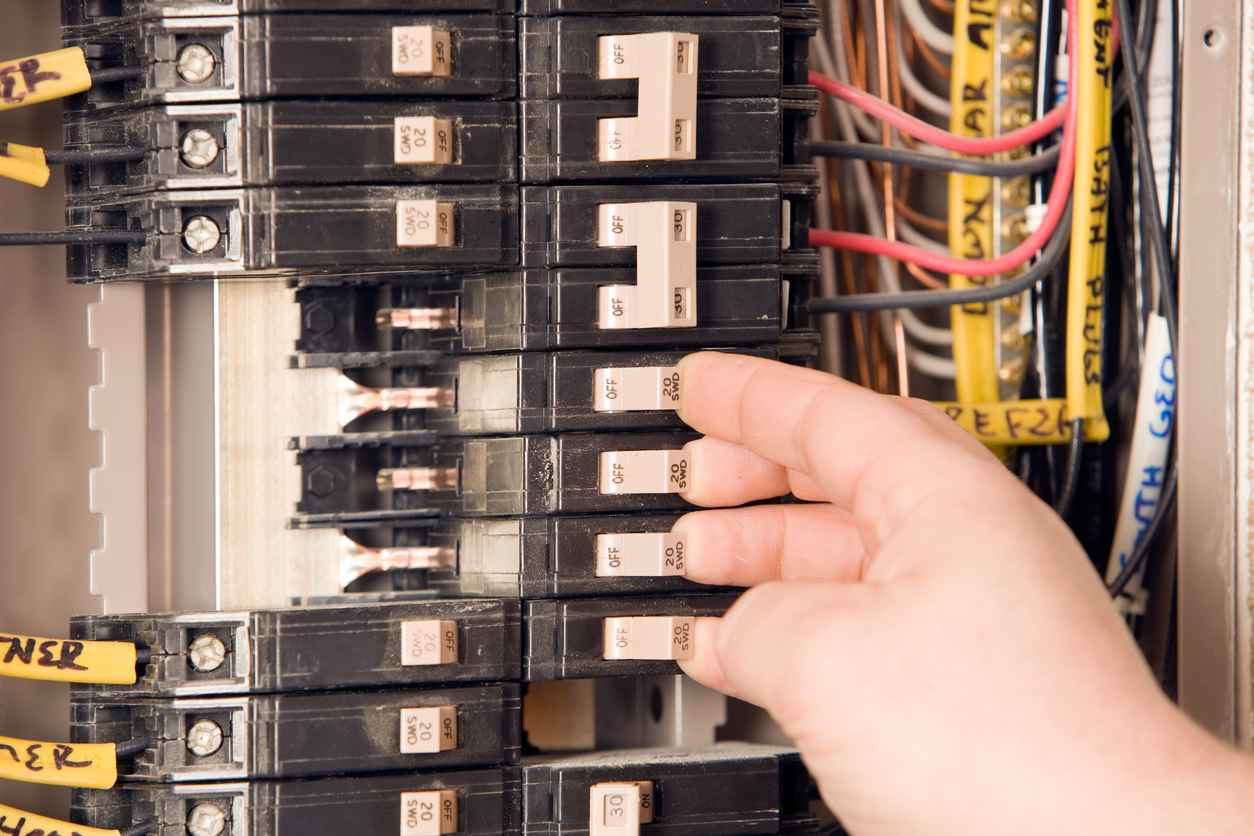
The main electrical panel reveals how well the home handles its power load. Electricians inspect the panel’s condition, amperage capacity, breakers, and labeling. Overloaded or outdated panels are common in older homes and can cause flickering lights, frequent breaker trips, and overheating outlets, all serious fire risks. Proper organization and labeling are also critical for safety during future repairs.
4. Electrical Outlets, Switches, GFIs, and AFCIs
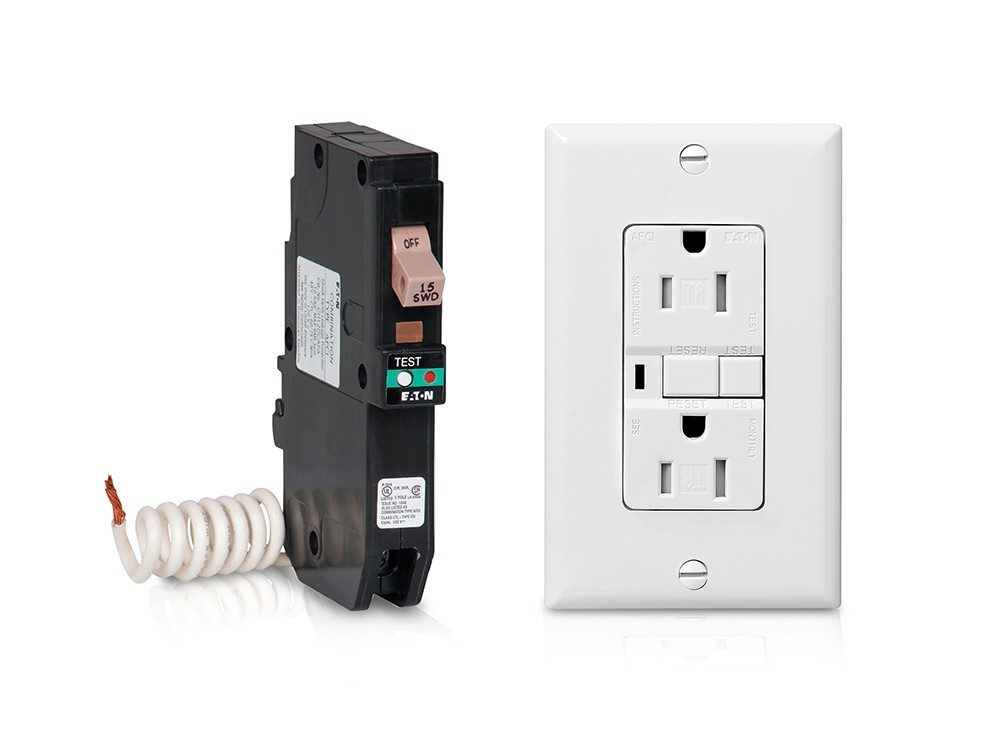
Every outlet and switch is tested for functionality, grounding, and proper wiring. Bathrooms, kitchens, laundry areas, and other moisture-prone spaces must have GFCI protection. Modern safety standards also require AFCI protection in living areas and bedrooms. Sparking outlets, scorch marks, or loose switches are warning signs that should never be ignored.
5. Lighting Fixtures and Interior Wiring Safety
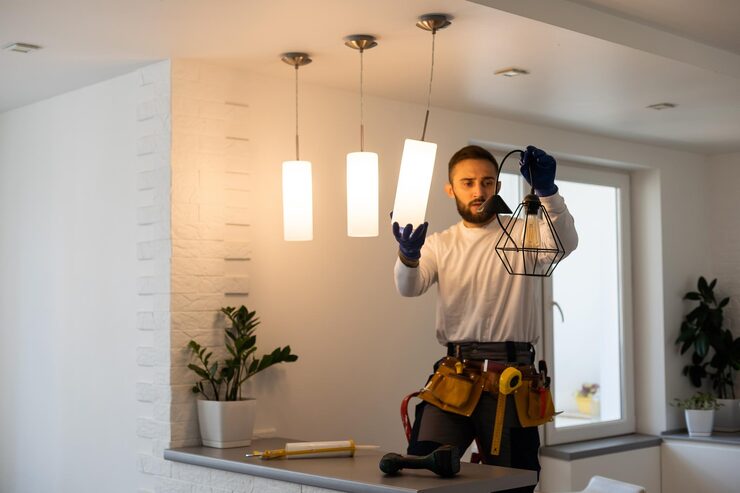
Lighting fixtures may look harmless, but improper installation or damaged wiring can become dangerous. Electricians inspect hardwired fixtures, recessed lighting, and ceiling wiring for flickering, dimming, or malfunction. Rodent damage and aging insulation are also common issues hidden behind ceilings and walls.
6. Presence of Aluminum Wiring
Homes built between the mid-1960s and early 1970s may contain aluminum wiring, which can overheat and pose a fire hazard when connected to modern devices. While mitigation options exist, identifying aluminum wiring before purchasing allows buyers to plan for necessary upgrades and negotiate repairs with confidence.
Detailed Inspection Report and Buyer Advantages
After the inspection, buyers receive a comprehensive report outlining all findings, recommended repairs, and estimated costs. This report is a powerful tool that can be used to negotiate pricing or request repairs from sellers. Even newly built homes constructed by construction companies can have overlooked electrical issues, making professional electrical services invaluable for every buyer.
Final Thought
A home should bring comfort, not concern. Investing in an electrical inspection before buying is not just about wires and breakers; it’s about protecting your family, your finances, and your peace of mind. When you know your home is electrically sound, you can move forward with confidence, knowing your dream home truly supports the life you’re building.
FAQs
Q1. Is an electrical inspection really necessary before buying a home?
A: Yes. Electrical inspections reveal hidden hazards that standard home inspections may miss.
Q2. Can electrical issues be negotiated with the seller?
A: Absolutely. Inspection reports often help buyers request repairs or a lower purchase price.
Q3. Are older homes more dangerous electrically?
A: Older homes are more likely to have outdated panels, wiring, or overloaded circuits, making inspections crucial.
Q4. How long does an electrical inspection take?
A: Most inspections take a few hours, depending on the size and complexity of the property.
Q5. Do renovated homes still need inspections?
A: Yes. Renovations and home additions often increase electrical demand, which may exceed the original system’s capacity.