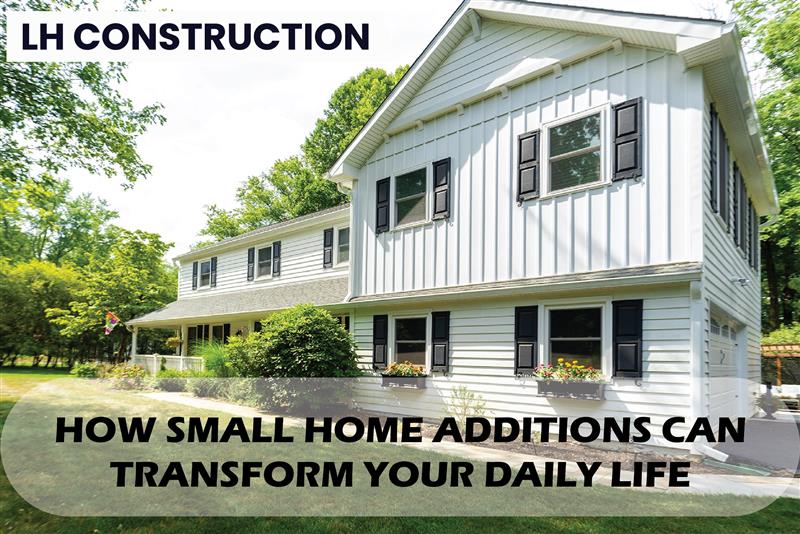
“Small home additions can dramatically transform your daily life by adding comfort, flow, and functionality without overwhelming your home or budget. With thoughtful design, even a porch, mudroom, kitchen bump-out, garage conversion, or finished basement can make your home feel more spacious, welcoming, and deeply aligned with the way you live today. Sometimes, the smallest changes make the biggest difference.”
When young men returned from military service after World War II, homes couldn’t be built fast enough around Washington, DC, and across the country. Families were growing, the baby boom was rising fast, and people were searching for a new place to call home. These post-WWII residences, once simple and functional, have now become some of the most charming and nostalgic neighborhoods in the DC area. Yet, while full of character, many of these homes weren’t designed for the way we live today.
Most of these original layouts feel cramped, boxy, or limited in terms of storage and flow. But here’s the hopeful truth: you don’t always need a massive home addition to rediscover space, comfort, and joy. Sometimes, a small change, a porch, a mudroom, or a modest kitchen expansion can shift everything. These “little” additions often have the biggest emotional impact on your daily life, bringing warmth, convenience, and meaningful function back into your home.
When “Little” Is Exactly What You Need
Many homeowners believe a redesign has to be dramatic to be worthwhile. But small home additions can be the smartest choice, especially when:
- Your home’s footprint is limited
- Your lot size restricts larger expansions.
- Neighborhood property values don’t support large-scale remodels
- Your budget is tight, and you need maximum impact for your investment.
Small changes don’t just save money; they preserve charm while adding the comfort you crave.
Small Adjustments for a Grand Entrance
Many post-WWII DC homes were built without a proper front or side porch. That means nowhere to escape the rain, shield packages, or greet guests with warmth.
A small entry porch instantly boosts curb appeal while offering real-life convenience.
A side entrance porch can transform coming home with groceries into a completely different experience.
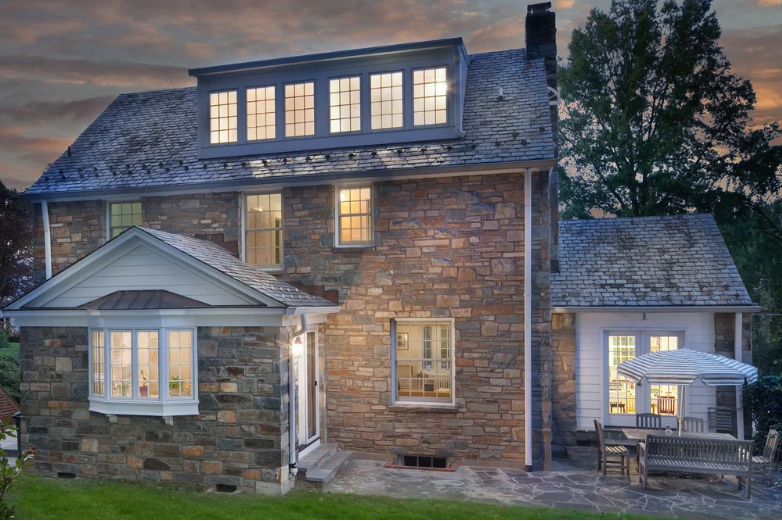
Indoors, these modest additions also create space for functional upgrades such as
- Mudroom benches
- Storage cubbies
- Shoe organizers
- Seasonal gear storage
These simple touches dramatically improve the daily rhythm of your home.
Small-Scale Kitchen Renovations That Feel Big
The kitchen remodel is often the first dream on a homeowner’s mind, but it doesn’t always require a full-blown addition. With thoughtful design, even small adjustments can open the room, improve workflow, and add seating.
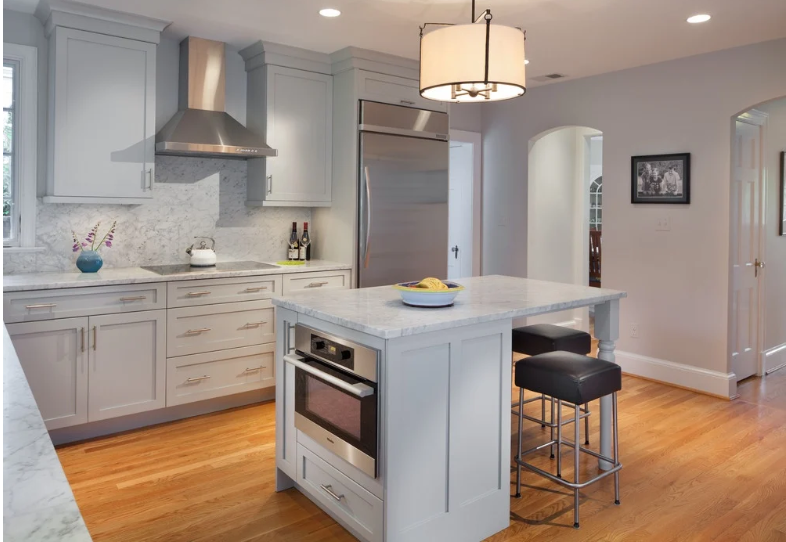
Out of the Galley
Boxy galley layouts can feel cramped when two or more people try to move around. Borrowing just a few feet from adjacent rooms can allow enough width to:
- Add an island
- Improve flow
- Enhance prep and gathering space.
Even slight changes can turn a claustrophobic kitchen into a heartwarming hub again.
The “Bump-Out”
A kitchen bump-out, just a few feet of extension, can create space for:
- A breakfast nook
- A built-in banquette
- Recessed seating
- Extra storage
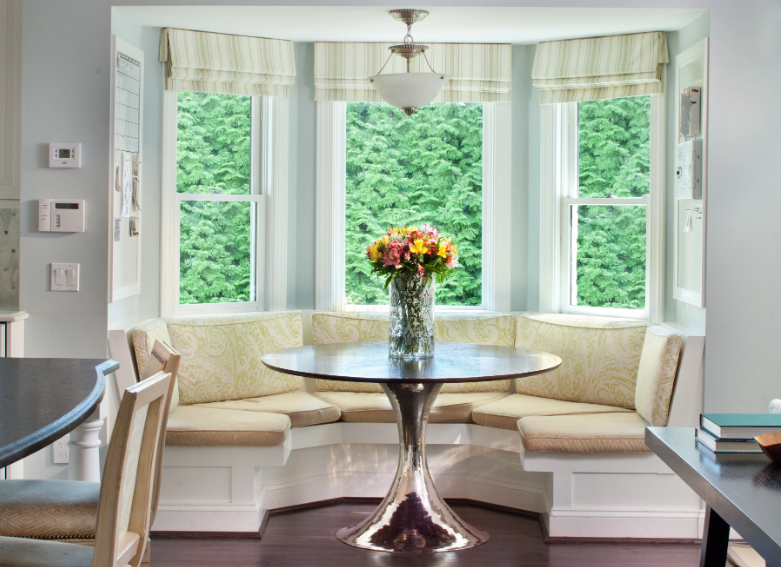
These intimate spaces are perfect for coffee, homework, and everyday connection.
When done right, these additions achieve spatial harmony, where your kitchen’s workflow, natural light, and function blend seamlessly.
Reimagining Existing Space
Not every transformation requires building outward. Sometimes, the most meaningful changes happen right inside your existing footprint.
Garage Conversion
A small, unused garage can become:
- A guest suite
- A modern home office
- A mudroom extension
- A studio or playroom
A typical 10×20 DC garage adds 200 square feet of valuable living space. With thoughtful design, the conversion feels original to the home, never like an afterthought.
Basement Transformation
Basements in post-WWII homes were storage spaces, nothing more. Today, they can become:
- Family rooms
- Media rooms
- Offices
- Game or craft spaces
- Guest quarters
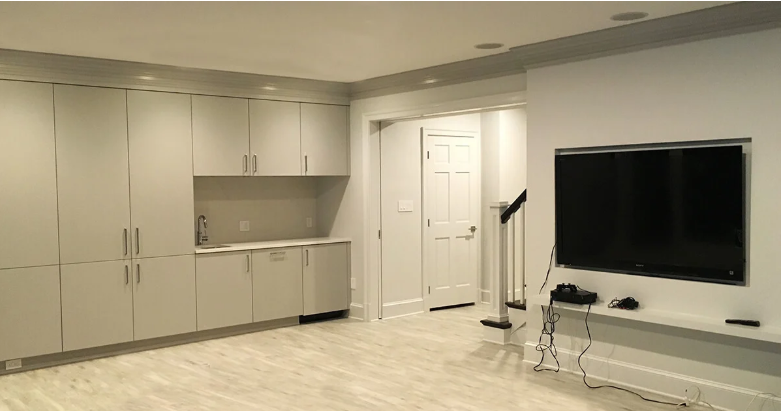
Finishing a basement can cost half or a third of a full home addition, making it one of the smartest investments in home remodeling.
Time to Think Small?
Bigger isn’t always better.
Smaller home additions often breathe new life into older houses, enhancing comfort, flow, and value without sacrificing the character that makes your home special.
That’s the beauty of thoughtful design and the power of thinking small.
If you’re exploring a home addition, home remodeling, kitchen remodel, or even improvements related to residential plumbing, electric service, or help from experienced construction companies, a smaller approach may be the perfect place to begin.
Final Thoughts
Small additions can transform how you move, live, and feel inside your home. They maximize functionality, elevate comfort, and enrich daily routines, all without overwhelming your budget or your home’s original charm. When approached with care, even the smallest improvements can make your home feel bigger, brighter, and truly yours.
If you’re considering a home addition project, the Gilday team is here to help you discover how small changes can make the biggest impact on your life.
FAQs
Q1. Are small home additions worth the investment?
A: Absolutely. Small additions dramatically improve flow, comfort, and functionality, often at a fraction of the cost of a full remodel.
Q2. What types of small additions make the biggest impact?
A: Mudrooms, kitchen bump-outs, porches, garage conversions, and basement renovations all add major value and ease to daily living.
Q3. Can a small kitchen remodel improve my home’s overall layout?
A: Yes, expanding the width, adding an island, or creating a breakfast nook can completely change how your kitchen functions and feels.
Q4. Is converting a garage into a living space a good idea?
A: When done properly, a garage conversion adds highly usable square footage and boosts your home’s value without changing the exterior footprint dramatically.
Q5. How much does finishing a basement usually cost vs. an addition?
A: Finishing a basement typically costs 50–70% less than building a new addition, making it a budget-friendly way to gain valuable space.
Q6. Do small additions require major electrical or plumbing upgrades?
A: Some projects may require updates to electric service or residential plumbing, but these upgrades often enhance long-term safety, efficiency, and home value.